I was installing the Jetpack plugin for WordPress the other day when something struck me. Their testimonial section featured Tim Ferriss and a “multidisciplinary designer” – and honestly, these endorsements didn’t really resonate with me. Sure, Tim Ferriss is cool and successful, but what does his experience have to do with mine?
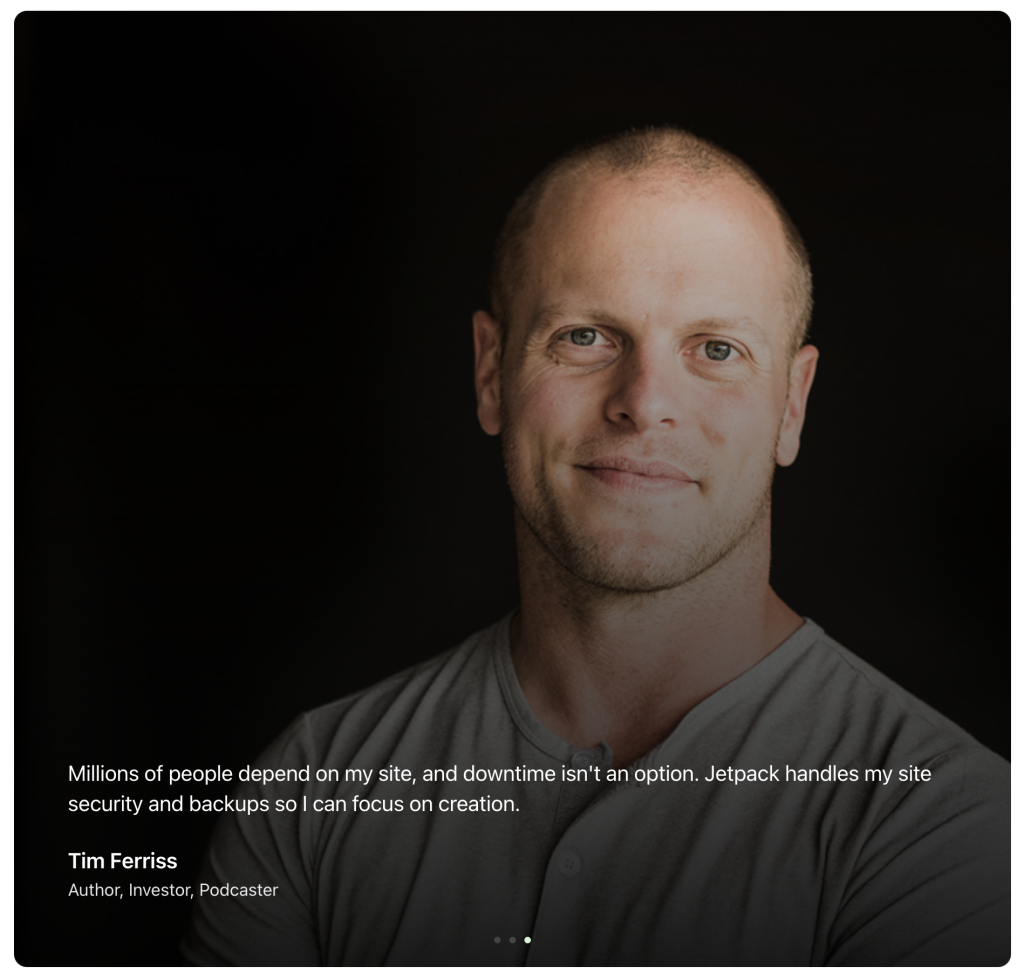
This got me thinking about the psychology of testimonials and why so many companies still think we’ll be impressed by big names when what we really want is feedback from people like us.
The Pokemon Card Case Dilemma
Let me put it this way: If I’m looking at a case for Pokemon cards, what’s more impactful and persuasive – 500 five-star reviews from other collectors or an endorsement by celebrity Pokemon collector Chumlee?
Sure, he’s famous and rich, but he’s nothing like me. I’m not trying to become like him; I want to be more like PikachuCollector83 who understands my specific needs, budget constraints, and actual use cases. PikachuCollector83 probably stores their cards in similar conditions to mine, travels with them to the same kinds of local tournaments, and worries about the same things I do.
The Psychology Behind Relatable Testimonials
There’s solid research backing up why we prefer testimonials from people like ourselves. It’s called “similarity-attraction theory” – we’re naturally drawn to and trust people who share our circumstances, challenges, and goals.
When we see someone similar to us benefiting from a product, we can more easily imagine ourselves experiencing those same benefits. This “social proof” feels more authentic and applicable to our lives than celebrity endorsements, which often feel disconnected from our reality.
The Amazon Effect
Think about how you shop on Amazon. Do you scroll past the product description to get to the reviews? Do you specifically look for detailed reviews from people who seem most similar to you and your situation?
I know I do. I want to hear from real users who are actually using the product day-to-day. I want to know how the Pokemon card case held up after six months of regular use, if it fit in a backpack properly, or if the clasps broke after being opened a dozen times.
That kind of specific, experiential feedback from regular folks is worth ten celebrity endorsements.
Companies Are (Slowly) Catching On
Some forward-thinking businesses are beginning to understand this shift in consumer psychology. That’s why we’re seeing more:
- User-generated content featured prominently
- Customer spotlight stories focusing on “regular” people
- Detailed reviews highlighted directly in marketing materials
- Testimonial sorting by customer type or use case
These approaches acknowledge that while a big name might grab attention, it’s the relatable testimonial that actually drives conversion.
Finding the Right Balance
I’m not saying companies should ditch all celebrity endorsements. They can serve a purpose in building brand awareness. But they should be balanced with authentic feedback from actual target users.
The most effective approach might be a strategic mix:
- Use recognizable names to capture initial attention
- Follow up with relatable testimonials to build trust and conviction
- Include specific details about how the product solved particular problems
My Advice to Companies
If you’re marketing a product or service, consider this: Your potential customers don’t want to be like Tim Ferriss or some multidisciplinary designer. They want to be better versions of themselves, with their specific problems solved.
So next time you’re gathering testimonials, don’t just chase the big names. Find your enthusiastic regular users – your own versions of PikachuCollector83 – and let their authentic experiences do the talking.
Because when I’m making a decision about your product, I don’t care what Chumlee thinks. I care what people like me think.
What about you? Do you find yourself more persuaded by celebrity endorsements or by reviews from everyday users? I’d love to hear your thoughts in the comments below.
Leave a Reply