There was a time when a tiny (mt) in a website footer said something about the person who made it. They cared about design and wanted to be part of the community around it. Their choice of hosting company was one way to show that.
That is a ridiculous amount of meaning to get out of a hosting account. But it's what I remember about Media Temple, and it's what I'd be thinking about if I were building a hosting company for people making websites with AI.
Why people cared about Media Temple
Media Temple knew its audience. Its design, sponsorships and involvement in the creative community made people want to host there.
The service still had to work. A sticker cannot keep your website online. But people cared about Media Temple for reasons beyond the hosting itself. You can hear that in the recollections of designers when the brand closed.
GoDaddy acquired Media Temple in 2013, specifically citing its audience of designers, developers and other creative professionals. By 2023, the brand was retired and its customers had been moved to GoDaddy.
Those customers still had hosting, but they'd lost the company they felt attached to. That's the part of Media Temple I'd want to learn from.
Who I'd build Spacefast for
Spacefast describes itself as a home for what your agent makes. I like that because it starts with what someone wants to do: put something they made on the internet.
I'd build around the person who asked an agent to make something and got back a folder. It could be a teacher with a classroom game or a shop owner with a little calculator. It could be someone who has wanted to make a website for fifteen years and finally can.
Hosting companies spend a lot of time talking to developers about build minutes, edge functions, preview branches and cold starts. Those terms are useful if you know what they mean. If you're trying to share your first project, they make the job sound harder than it should be.
Publishing should be quick, the hosting should be reliable, and the bill should be understandable. Beyond that, I'd want to give people a reason to stick around and get to know each other.
Show what people are making
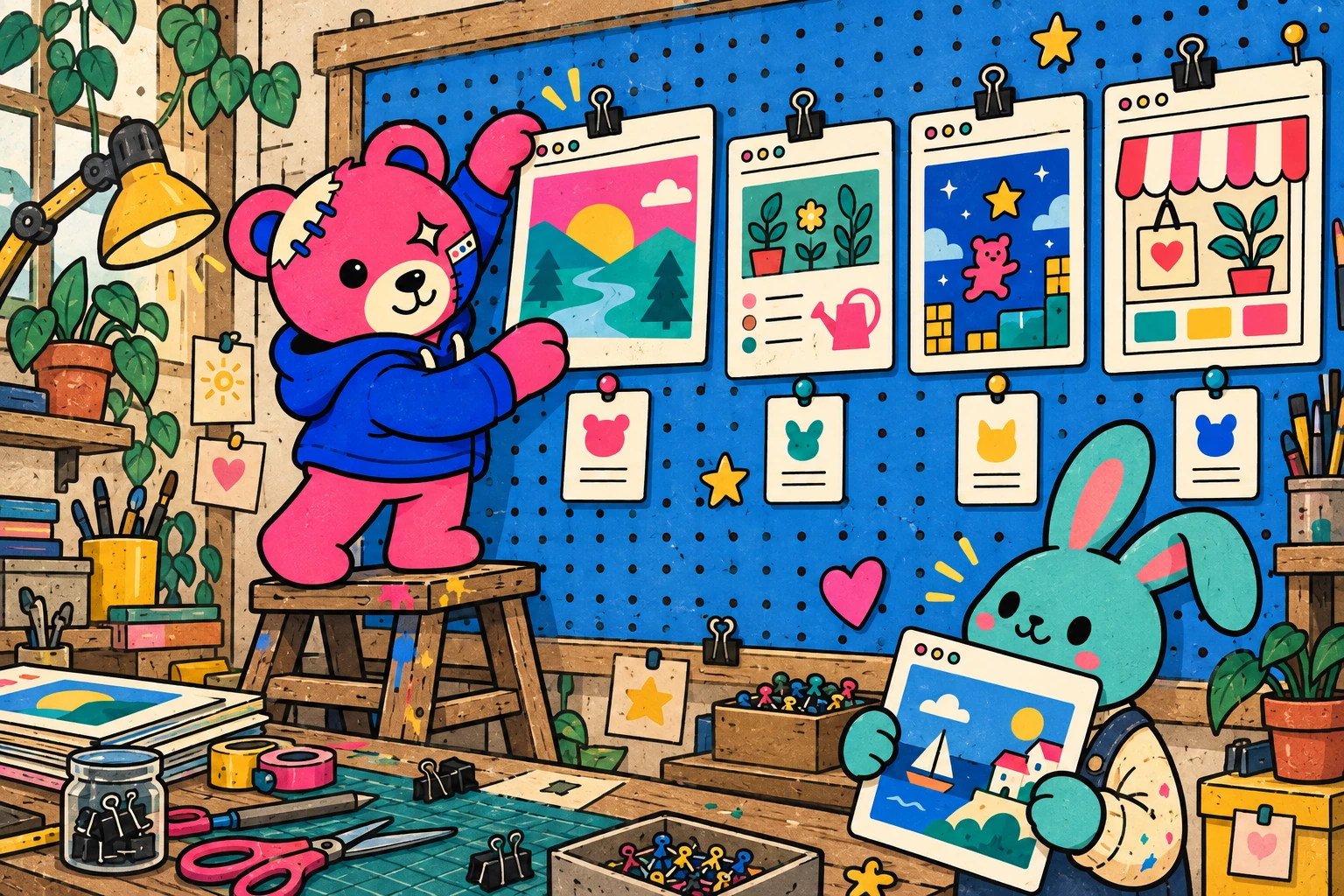
I'd start with a small showcase: a handful of things people made that week, with their names attached and a sentence about why each is worth opening. A useful tool could sit beside a strange little game. A first attempt could earn a place because the idea is good.
Seeing something made by another beginner might give someone the confidence to try their own idea. Finding something interesting might be a reason to come back next week. Someone would need to choose the projects and write about them. An endless page of thumbnails wouldn't do much for me.
Spacefast's comments pinned directly to a page could help here, too. People could share unfinished work, invite friends to give feedback, and come back with changes. I liked seeing people work on their sites on the early web. I'd like more of that again.
I'd also give people an optional “remix this space” button. A beginner could start with something they understand, change the colors and pictures, and make it their own. Keep a link to the person whose work they started from.
Bring back the badge
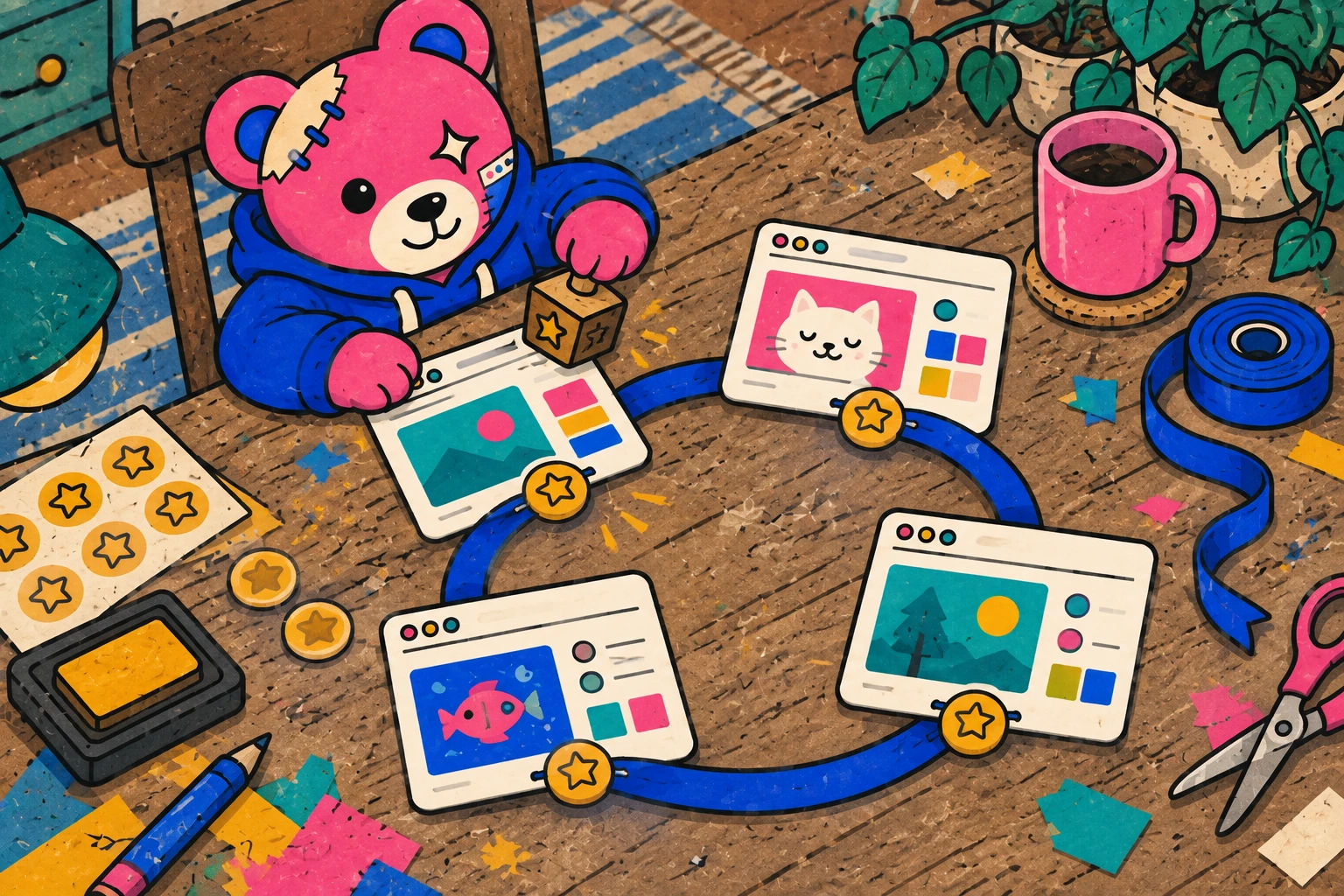
I'd bring back the small, optional footer badge: “Made on Spacefast.” It could link to the person's other projects and help visitors find more people in the community. Something like a webring.
People need a reason to want that badge on their site. Media Temple had one because people liked being associated with it. Spacefast would have to earn that feeling too.
I'd want physical things as well. Stickers, a printed collection of the year's best projects, or a card you could hand someone to show what you made. Merch works when people already care about what it's for.
Give someone time to do the work
Someone would need to run the showcase, answer questions and get to know the people using Spacefast. They'd also need to spend time in the groups where teachers, hobbyists and small business owners already talk to each other.
I'd want the documentation to be just as approachable. “Space” and “version” are good words. Tell people how to do what they came for. A reader can be smart and capable without knowing what a CDN is.
WordCamps are a useful example of people getting together to share what they know and what they've made. I could see a monthly Spacefast meetup where fifteen people show something they published. Help an organizer get the first one running, give them a format they can adapt, and keep helping after the initial excitement wears off.
I'd also feature people whose work deserves a bigger audience. Being part of the community should help them find people interested in what they're making.
Where I'd start
My first investments would be the showcase, the optional badge and one person with time to get to know the people using Spacefast. Meetups, remixes and printed collections could follow if people wanted them.
Media Temple made people care where they hosted their work. I'd like to see Spacefast do that for people who are only now able to make the things they've wanted to make. That's the kind of hosting company I'd want to belong to.

END OF TRANSMISSION · FILE SAVED
Transmission complete.
The workshop keeps humming. Teddy stamps the paper and pretends this was all according to plan.
ONE-TAP PRIVATE SIGNAL
What kind of noise did this make?
One click sends Nick a tiny private light on the console. No account, count, leaderboard, or public performance.

INCOMING TRANSMISSION
What did this signal make you want to build, remove, or argue with?
Send Teddy a note about The moat was never the servers. It goes straight to Nick’s normal email inbox. No admin screen and no public comment thread.
KEEP THE RECEIVER ON · RSS ↗